
Signs Your Child Struggles With Peer Relationships
Every parent pictures a version of childhood filled with easy friendships, sleepovers, birthday party invitations, and best friends who feel like family. When that picture doesn't quite match what you're seeing in your own child's life, it can be hard to name what's wrong, let alone know what to do about it. Have you noticed your child coming home from school without ever mentioning a friend's name, or dreading recess in a way that feels different from ordinary shyness? Does your child seem to go without playdate invitations more often than their peers, or does your child seem to want connection with other kids desperately while somehow never quite landing it the way they hope to?
None of this means you're overreacting, and it doesn't mean your child is doing anything wrong either. Peer relationships ask a lot of a developing brain, more than most of us realize until we watch a child struggle with them, because friendship depends on a whole web of skills working together at once: reading facial expressions, timing a response, noticing when someone else needs space, knowing how to join a group already in motion. When even one of those pieces is harder for a child to access, the whole picture can feel confusing to them and painful for you to watch from the outside.
What This Can Look Like
Some children show their struggle outwardly, through conflict, through frustration that turns into yelling or grabbing when a game doesn't go their way, through a pattern of friendships that start strong and then fall apart within weeks. Other children turn it inward instead, quietly opting out of birthday parties, sitting alone at lunch by choice because the alternative feels too uncertain, or coming home and going straight to their room without a word about how the day went. Both patterns can come from the same root, which is a child who wants connection and doesn't yet have reliable tools to build it.
You might also notice your child talking about friendship in ways that feel a little off, describing a classmate as a best friend after one shared activity, or seeming genuinely surprised when a friendship doesn't hold up the way they expected it to. It isn't something to worry over, but it does tell you something useful, which is that your child is doing their best to make sense of social rules that haven't fully settled into place for them yet.
This Is a Skill, Not a Personality Trait
Here is the part that tends to bring parents the most relief once they hear it: peer relationship struggles are rarely about who your child is at their core. They're about a set of skills that can be taught, practiced, and strengthened over time, the same way reading or riding a bike can be, given the right support and enough low-pressure repetition. A child who struggles to read social cues today is not destined to struggle with them forever, and the earlier those skills get structured practice, the more naturally they tend to settle in.
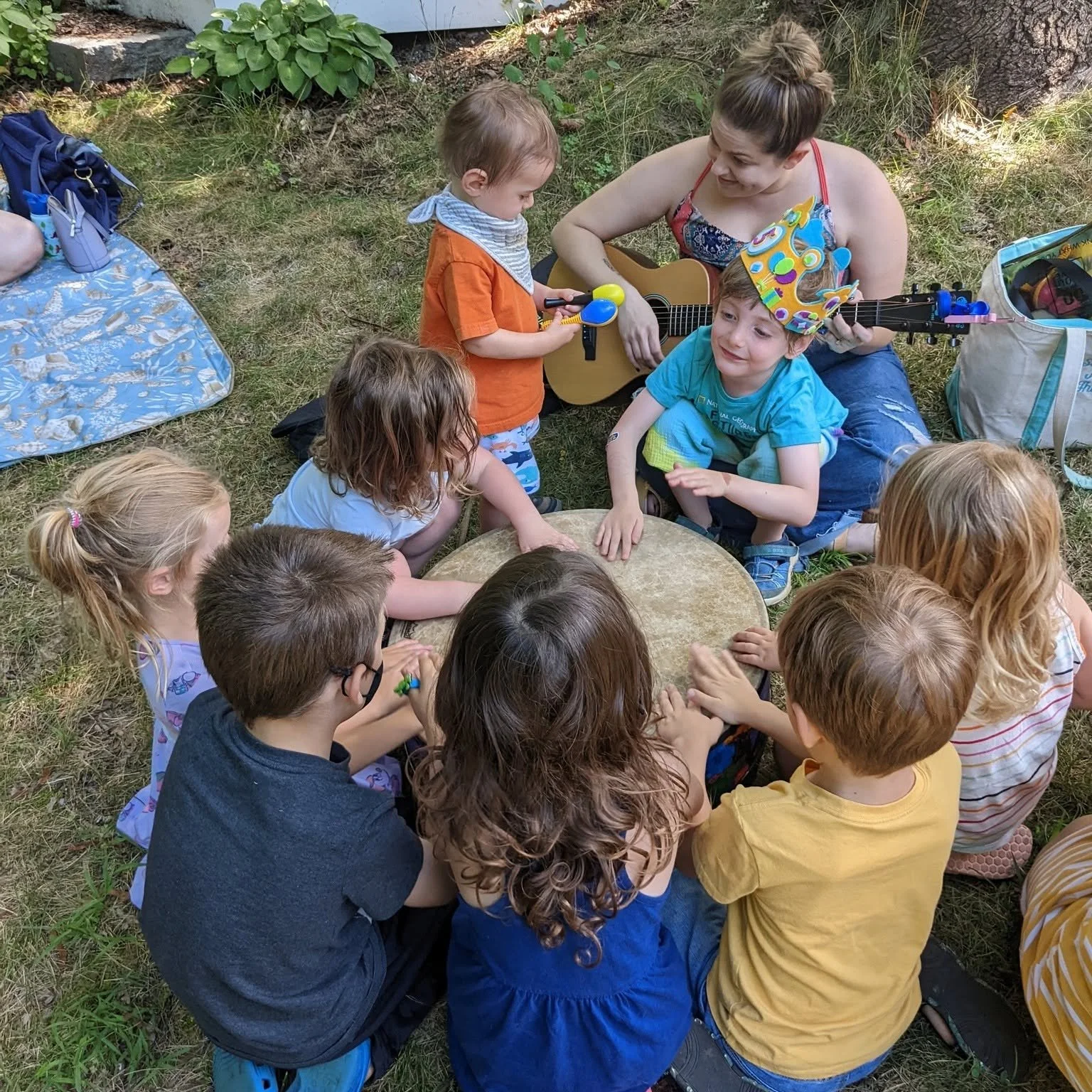
This is what our new Social Skills Groups are built around, giving kids a warm, supported space to practice peer communication, listening, leadership, and everything else that friendship quietly requires, with a therapist there to guide the process instead of leaving it to chance. If you're curious what that looks like in practice, we walked through it in last month’s blog post, How Music Therapy Groups Build Social Skills.
If peer relationships have felt harder for your child than they should, our Social Skills Groups might be a good fit. Learn more and register here!